

Disinformation and misinformation undermine facts and democracy
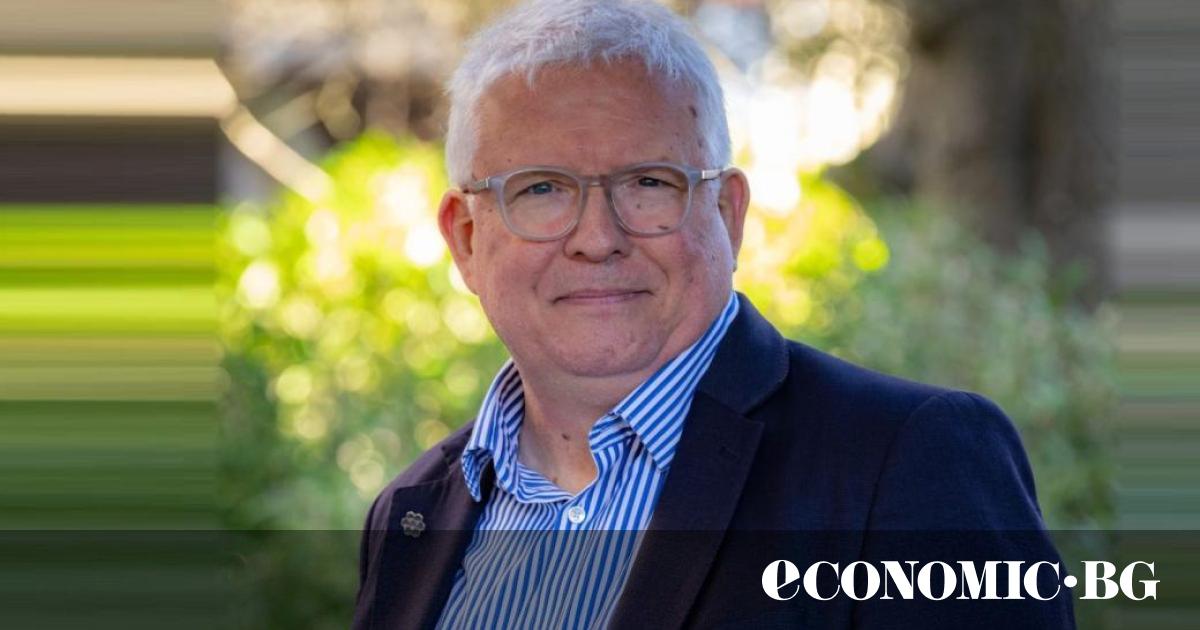
False claims and disinformation undermine democracy. This was stated by Prof. Steven Lewandowsky, a cognitive scientist at the University of Bristol, in a special lecture during the final meeting of the SOLARIS project.
Democracy is in retreat around the world. Why does this happen? That is an incredibly difficult question but there seems to be fairly wide spread agreement among experts that one of the reasons is that misinformation and disinformation undermine the common shared knowledge ", Lewandowsky said.
In his speech, the professor gave an example with the first term of the current US President Donald Trump. It turns out that Trump made over 30,000 statements that fact-checkers determined to be false or misleading.
This is a problem, but it is not the only one. During this period, his voters considered him to be sincere, and that is the bigger problem. Because how can people consider someone who constantly makes false or misleading statements to be honest? " he commented.
With his team at the University of Bristol, the expert is researching how political rhetoric affects democracy. Part of this research is the topic of how and what people accept as truth. According to Lewandowski, there are two ways for a statement to be accepted as fact: through intuition and through confirmation by facts.
In a democracy, we need facts and evidence. That is why we try to make policies based on evidence rather than feelings. But truth has become more about intuition and personal feelings ", he added.
This transition to an intuitive sense of truth actually has an impact on democracy.
There is a shift from the 1970s to now where speeches have switched to being intuition based rather evidence based. This is a very interesting trend and a distinct shift from the 1970s ", Lewandowsky commented.
He explained that this affects many aspects of social and political life, including equality, because where truth is based more on feelings, inequality is higher. This, in turn, leads to lower life expectancy, poorer health, more social problems, and thus lower economic growth.
On the other hand, if politicians` rhetoric is based more on facts, this reduces inequality and other challenges.
About SOLARIS
The SOLARIS research project, funded under the Horizon Europe programme, aims to address the challenges posed by generative AI technologies by fostering international collaboration and developing frameworks for AI governance, democratic resilience, and security.
For more information about the SOLARIS project and how to participate, visit the project website.
This project has received funding from the European Union. However, the views and opinions expressed are solely those of the author(s) and do not necessarily reflect those of the European Union or the European Research Executive Agency (REA). Neither the European Union nor the granting authority can be held responsible for them.
Disinformation SOLARIS Stephen Lewandowsky демокрация
Democracy is in retreat around the world. Why does this happen? That is an incredibly difficult question but there seems to be fairly wide spread agreement among experts that one of the reasons is that misinformation and disinformation undermine the common shared knowledge ", Lewandowsky said.
In his speech, the professor gave an example with the first term of the current US President Donald Trump. It turns out that Trump made over 30,000 statements that fact-checkers determined to be false or misleading.
This is a problem, but it is not the only one. During this period, his voters considered him to be sincere, and that is the bigger problem. Because how can people consider someone who constantly makes false or misleading statements to be honest? " he commented.
With his team at the University of Bristol, the expert is researching how political rhetoric affects democracy. Part of this research is the topic of how and what people accept as truth. According to Lewandowski, there are two ways for a statement to be accepted as fact: through intuition and through confirmation by facts.
In a democracy, we need facts and evidence. That is why we try to make policies based on evidence rather than feelings. But truth has become more about intuition and personal feelings ", he added.
This transition to an intuitive sense of truth actually has an impact on democracy.
There is a shift from the 1970s to now where speeches have switched to being intuition based rather evidence based. This is a very interesting trend and a distinct shift from the 1970s ", Lewandowsky commented.
He explained that this affects many aspects of social and political life, including equality, because where truth is based more on feelings, inequality is higher. This, in turn, leads to lower life expectancy, poorer health, more social problems, and thus lower economic growth.
On the other hand, if politicians` rhetoric is based more on facts, this reduces inequality and other challenges.
About SOLARIS
The SOLARIS research project, funded under the Horizon Europe programme, aims to address the challenges posed by generative AI technologies by fostering international collaboration and developing frameworks for AI governance, democratic resilience, and security.
For more information about the SOLARIS project and how to participate, visit the project website.
This project has received funding from the European Union. However, the views and opinions expressed are solely those of the author(s) and do not necessarily reflect those of the European Union or the European Research Executive Agency (REA). Neither the European Union nor the granting authority can be held responsible for them.
Disinformation SOLARIS Stephen Lewandowsky демокрация
Източник: economic.bg

КОМЕНТАРИ